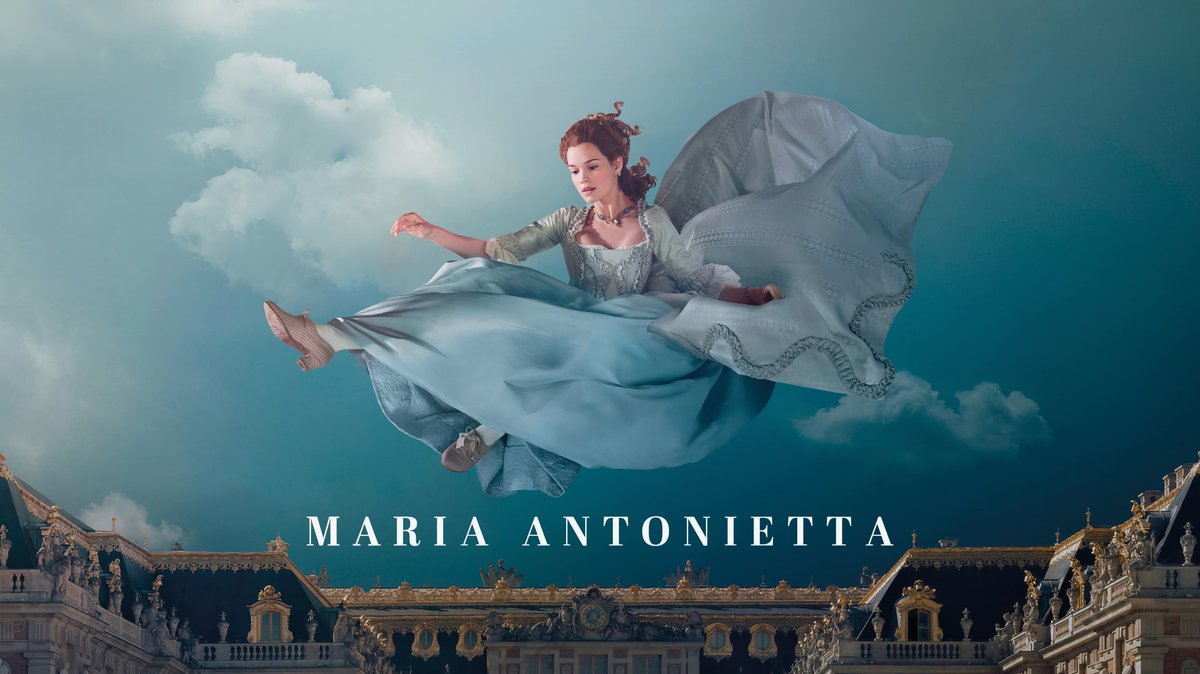
If you've ever imagined stepping behind the gilded gates of Versailles, past the opulent ballrooms and into the private chambers of history's most famously misunderstood queen, then the Marie Antoinette TV series is your opulent invitation. But what truly brings this vibrant, rebellious, and ultimately tragic tale to life? It's the phenomenal ensemble behind the powdered wigs and elaborate gowns. Unpacking the Marie Antoinette TV Series Cast, Characters & Bios offers more than just a roll call; it reveals the artistic choices, the historical nuances, and the sheer talent that make this period drama utterly compelling.
This isn't just a dry historical recitation. It's a journey into the heart of a young woman thrust into an unforgiving world, populated by complex figures brought to dazzling life by a dedicated cast. From the titular queen's youthful defiance to the subtle machinations of court rivals, each actor infuses their role with a humanity that resonates far beyond the historical page.
At a Glance: Understanding the Royal Court
- Who's Who: Led by Emilia Schüle as Marie Antoinette and Louis Cunningham as Louis XVI, the series boasts a diverse European cast.
- The Focus: Explores Marie Antoinette's tumultuous early years as Dauphine and then Queen of France, from age 14, through her struggles for acceptance, love, and power.
- Historical Lens: Balances historical facts with dramatic interpretation to create a relatable, modern take on a historical icon.
- Visual Feast: Renowned for its stunning costumes, lavish sets, and a soundtrack that blends classical with contemporary.
- The Core Conflict: Marie Antoinette's clash with the rigid etiquette and political pressures of the French court, especially the imperative to produce an heir.
A Glimpse into Versailles: The Series' Core Narrative
The Marie Antoinette series doesn't just present a historical figure; it introduces you to a teenager, Marie Antoinette, plucked from the relative freedom of the Austrian court and dropped into the suffocating grandeur of Versailles. Here, every glance, every gown, every whispered word holds political weight. You witness her evolution from a naive, spirited girl to a formidable, if flawed, queen, all under immense pressure to secure a Franco-Austrian alliance and, more critically, to produce a male heir for the Bourbon dynasty. The series paints a portrait of a woman trying to navigate a world that simultaneously adores and despises her, a world where personal desires are secondary to royal duty.
Understanding the cast is central to appreciating this narrative. Each actor embodies a piece of this complex tapestry, giving voice and presence to figures who shaped Marie Antoinette's destiny and, by extension, the course of French history.
The Crown Jewel: Marie Antoinette (Emilia Schüle)
At the heart of the series is Emilia Schüle as Marie Antoinette. Schüle, a German actress, brings a magnetic energy to the role, perfectly capturing the youthful exuberance, burgeoning defiance, and eventual weariness of the future queen. Her portrayal steers clear of simple villainy or saintliness, instead presenting a nuanced character arc.
- The Character's Journey: You meet Marie Antoinette as a vibrant, somewhat reckless 14-year-old, bewildered by the rigid customs of Versailles. Schüle deftly navigates her character's frustration with her unconsummated marriage, her desperate attempts to forge friendships, and her gradual understanding of her own power within the court. The series highlights her loneliness and isolation, making her relatable despite her extraordinary circumstances. She's not just a queen; she's a young woman trying to find her identity and exert some control over her own life.
- Historical Resonance: Historically, Marie Antoinette was indeed a spirited young woman, often seen as frivolous by the French court, which viewed her Austrian origins with suspicion. Her early years were marked by the intense pressure to produce an heir, a struggle that often overshadowed her other duties. Schüle's performance captures this tension beautifully, showcasing the vulnerability behind the iconic façade. She embodies the "Let them eat cake" legend (which, fun fact, she likely never actually said) not as an act of malice, but perhaps of youthful naivete or utter detachment from the realities of the common people.
The Reluctant King: Louis XVI (Louis Cunningham)
Standing opposite Marie Antoinette, both literally and figuratively, is Louis Cunningham as Louis XVI. Cunningham, a British actor, offers a sensitive and often heartbreaking portrayal of a king burdened by a crown he never truly desired.
- The Character's Journey: Cunningham's Louis is not the buffoonish, indecisive figure often depicted. Instead, you see a deeply intelligent, if socially awkward and introverted, young man. He's passionate about locksmithing and hunting, but struggles with the expectations of his royal role and, crucially, with intimacy. His character arc is one of slow, painful growth, as he tries to assert himself as a ruler while battling his own insecurities and a profound sense of duty. The series humanizes him, showing his genuine affection for Marie Antoinette, even if he struggles to express it.
- Historical Resonance: History paints Louis XVI as a well-meaning but ultimately ill-equipped monarch for the turbulent times he inherited. His shyness, his interest in intellectual pursuits over courtly life, and his personal difficulties were well-documented. Cunningham's portrayal grounds these historical traits in a believable and empathetic character, making you understand why Marie Antoinette found him frustrating, yet also found a strange, quiet connection with him. Their complex relationship is a cornerstone of the series.
A Web of Intrigue: Key Players of the French Court
The world of Marie Antoinette extends far beyond the royal couple. The series meticulously populates Versailles with a vibrant cast of characters, each vying for influence, affection, or survival. These actors collectively build the suffocating, glittering cage that is the French court.
The Shadowy Royal: Duc d'Orléans (Jack Archer)
Jack Archer embodies Louis Philippe II, Duc d'Orléans, the King's ambitious and often menacing cousin.
- The Character's Role: Archer’s Orléans is a master manipulator, always lurking in the shadows, scheming for greater power. He represents the ever-present threat of internal royal dissent, eager to exploit any weakness in the monarchy. His charm can turn to cold calculation in an instant, making him a formidable antagonist.
- Historical Resonance: The historical Duc d'Orléans was indeed a complex figure, known for his liberal leanings and his opposition to the absolute monarchy. He was a popular figure, particularly with the Parisian public, and would later play a significant, controversial role during the French Revolution. Archer captures this dual nature – the popular facade and the ruthless ambition – perfectly.
The King's Mistress: Madame du Barry (Gaia Weiss)
Gaia Weiss, a French model and actress, plays the notorious Madame du Barry, Louis XV's long-term mistress.
- The Character's Role: Du Barry is initially Marie Antoinette's rival for influence and attention at court. Weiss portrays her not as a simple villain, but as a woman who has carved out a powerful position for herself through wit and charm, despite her common origins. Her elegance and confidence initially intimidate Marie Antoinette, leading to a memorable stand-off where the young Dauphine refuses to speak to her.
- Historical Resonance: Madame du Barry's meteoric rise from courtesan to the king's official favorite was a scandal for many, especially those of noble birth. Her presence at court was a constant reminder of the monarchy's perceived moral decay to traditionalists, including Marie Antoinette's mother, Maria Theresa. Weiss captures the tenacity and allure that allowed Du Barry to navigate such a precarious position.
The Austrian Hand: Ambassador Mercy Argenteau (James Purefoy)
Veteran British actor James Purefoy (known for Rome, The Following) steps into the shoes of Comte de Mercy Argenteau, the Austrian Ambassador to France.
- The Character's Role: Purefoy's Mercy is a constant, watchful presence, acting as Marie Antoinette's mentor, confidant, and, at times, her handler. He is her direct link to her mother, Empress Maria Theresa, constantly reminding her of her duties and reporting back on her progress – or lack thereof. His role is to ensure the Franco-Austrian alliance remains strong, and he often pushes Marie Antoinette to conform to court expectations.
- Historical Resonance: Mercy Argenteau was indeed a crucial figure in Marie Antoinette's early life in France. He meticulously documented her behavior and communicated regularly with her mother, often relaying Maria Theresa's stern advice and critiques. Purefoy brings a blend of paternal concern and political shrewdness to the character, making him a complex figure who genuinely cares for Marie Antoinette but is equally dedicated to his imperial mission.
Loyal Companions & Confidantes
Amidst the political machinations, Marie Antoinette finds a few allies and friends.
- Princess de Lamballe (Roxane Duran): French actress Roxane Duran portrays the devoted Princess de Lamballe, Marie Antoinette's closest and most loyal friend. Duran captures the quiet strength and unwavering devotion of a woman who offers genuine companionship in a court filled with opportunists. Historically, Lamballe was indeed a significant confidante to the Queen, remaining loyal even during the Revolution.
- Axel von Fersen (Jonas Bloquet): Belgian actor Jonas Bloquet plays the Swedish count Axel von Fersen, whose rumored romantic involvement with Marie Antoinette is a long-standing historical debate. Bloquet portrays Fersen as dashing, honorable, and genuinely drawn to the Queen, offering her a rare connection that transcends political duty. The series hints at their deep affection, exploring the emotional intimacy that was largely absent from her royal marriage.
The King's Family
The French royal family itself is a nest of vipers and varying personalities.
- Comtesse de Provence (Jasmine Blackborow) & Comte de Provence (Oscar Lesage): Jasmine Blackborow as the Comtesse de Provence and Oscar Lesage as the Comte de Provence (Louis XVI's younger brother, the future Louis XVIII) skillfully depict the sibling rivalry and political ambition within the royal family. The Comtesse is often jealous of Marie Antoinette's position, while the Comte is shown as an intellectual but scheming figure, always observing and plotting. Their interactions with the royal couple add layers of tension and competition to the court dynamic.
- Louis XV (Richard Cant): British actor Richard Cant portrays Louis XV, the aging king whose death elevates Louis XVI and Marie Antoinette to the throne. Cant presents a king who is weary but still commanding, initially captivated by Marie Antoinette's youth, but ultimately consumed by his own declining health and his relationship with Madame du Barry. His presence looms large over the early episodes, setting the stage for the young couple's challenging reign.
The Imperious Mother: Empress Maria Theresa (Marthe Keller)
Swiss actress Marthe Keller delivers a formidable performance as Empress Maria Theresa, Marie Antoinette's powerful mother.
- The Character's Role: Keller's Maria Theresa is the unseen hand guiding (and often controlling) Marie Antoinette from afar. She is a pragmatic, astute ruler, whose letters and instructions to her daughter (often conveyed through Mercy Argenteau) are a constant reminder of Marie Antoinette's duty to Austria. She pushes her daughter relentlessly to secure the alliance and produce an heir, embodying the immense political pressure weighing on Marie Antoinette.
- Historical Resonance: Maria Theresa was one of Europe's most powerful rulers, a strong-willed empress who carefully managed her children's marriages for political gain. Her correspondence with Marie Antoinette, full of advice and often harsh criticism, highlights the intense pressure she placed on her daughter. Keller perfectly captures this blend of maternal concern and ruthless political expediency.
Bringing History to Life: Creative Liberties and Authenticity
One of the great strengths of the Marie Antoinette TV series, and a testament to its cast, is its ability to blend meticulous historical research with compelling dramatic storytelling. While the core events and key figures are historically accurate, the series takes intelligent creative liberties to explore the characters' inner lives and motivations.
For instance, the dialogue often feels modern, allowing audiences to connect with the characters' emotions and struggles more readily, rather than being bogged down by archaic language. The series also delves into the personal struggles of characters like Louis XVI and Marie Antoinette, often extrapolating emotional states from historical events. The relationships, particularly the early struggles of the royal couple's marriage, are dramatized to provide a narrative arc that feels both authentic to their situation and engaging for a contemporary audience. The sumptuous costumes, sets, and overall aesthetic detailed in the Marie Antoinette episode guide are largely authentic to the period, even as the narrative explores timeless themes of identity, power, and love.
The cast, under the direction of creators like Deborah Davis, does an excellent job of embodying these nuances. They don't just recite lines; they inhabit their roles, infusing them with the emotional depth required to make the historical figures feel real and relatable. This balance makes the series not just a history lesson, but a human drama unfolding on an epic scale.
Beyond the Screen: What Makes This Cast Shine?
What truly elevates the Marie Antoinette series is the collective strength of its ensemble cast. Each actor, whether in a leading or supporting role, commits fully to their character, creating a rich tapestry of personalities.
- Ensemble Power: The interactions between characters—the simmering tension between Marie Antoinette and the Comtesse de Provence, the calculating advice of Mercy Argenteau, the quiet longing of Louis XVI—are what drive the narrative. The cast members play off each other beautifully, creating believable dynamics that feel organic, not staged.
- Conveying Complex Emotions: From Emilia Schüle’s nuanced portrayal of a queen trying to reconcile her duties with her desires, to Louis Cunningham’s vulnerable depiction of a king struggling with his own nature, the actors consistently convey profound and often contradictory emotions. This emotional depth is crucial for making historical figures, who might otherwise seem distant, feel incredibly human.
- Relatability: Despite the elaborate period setting and the extraordinary lives of these characters, the cast's performances allow you to see echoes of modern struggles: the pressure to conform, the search for identity, the complexities of relationships, and the isolation of leadership. This human-first approach is key to the show's appeal.
Common Questions About the Marie Antoinette Series Cast
Given the show's focus on historical figures, it's natural to have questions about its accuracy and the people behind the roles.
- Is the cast historically accurate in terms of appearance?
While the casting prioritizes acting talent and emotional resonance over strict physical resemblance, the actors are chosen to evoke the spirit and essence of their historical counterparts. The costuming, hair, and makeup departments meticulously work to create period-appropriate looks that further immerse the actors in their roles. - Who is the main actress in Marie Antoinette?
The titular role of Marie Antoinette is played by Emilia Schüle, a talented German actress known for her versatility across various European productions. - Are all the characters based on real people?
Yes, the vast majority of the main and supporting characters in the Marie Antoinette series are based on real historical figures who lived and breathed in the court of Versailles during the late 18th century. While some minor background characters might be composites, the central narrative revolves around historical individuals. - How many seasons are there of the Marie Antoinette series?
As of the time of writing, the Marie Antoinette series has two seasons, with the second season released in early 2024. - Where can I watch the Marie Antoinette series?
In the U.S., the series is available for streaming on PBS Passport and through the PBS Masterpiece Prime Video Channel. Availability may vary by region.
Stepping Into the Court: Your Next Steps
The Marie Antoinette TV series offers a captivating journey into one of history's most iconic periods, brought to vivid life by its exceptional cast. Whether you're a history buff or simply appreciate a well-crafted drama, diving into this show promises a visually stunning and emotionally rich experience.
Now that you have a deeper understanding of the brilliant actors and the compelling characters they portray, consider re-watching the series with this newfound knowledge. Pay close attention to the subtle facial expressions, the nuanced dialogue, and the intricate interactions that make Versailles feel like a living, breathing entity. You'll likely discover new layers to the performances and gain an even greater appreciation for the craftsmanship that went into creating this magnificent historical drama. Each actor's dedication transforms what could be a dry history lesson into a vibrant, human story that resonates long after the credits roll.